
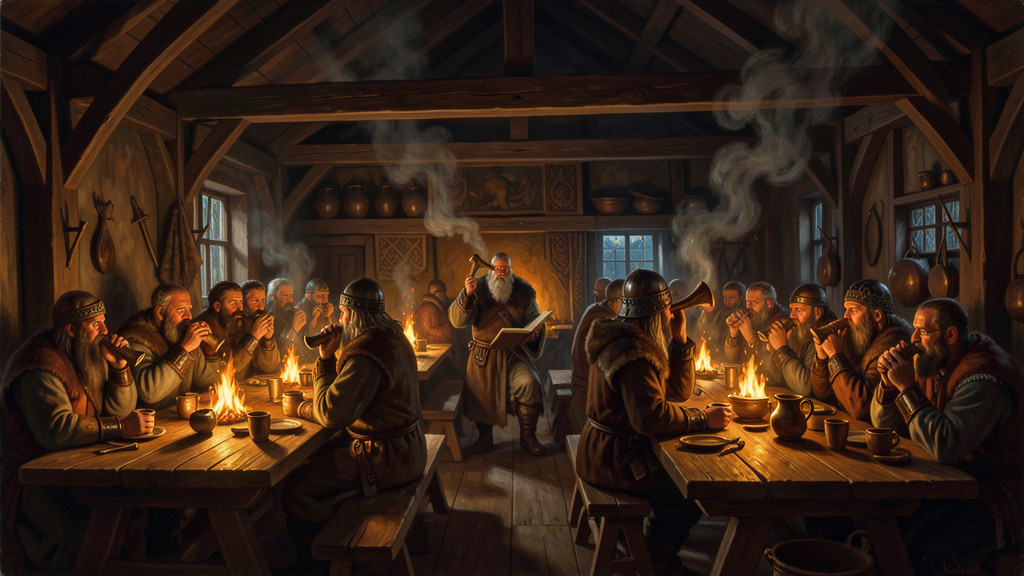
Mead, Ale, and the Viking Drinking Hall: The Role of Alcohol in Norse Society Step into a Viking longhouse at nightfall and the first thing that hits you is not the fire smoke. It is the sound — the low rumble of voices, the crash of a drinking horn against oak, the skald’s voice rising […]
Category Archives: Vikings
Viking Heritage, Viking Sites, Vikings
Viking Ring Fortresses: The Engineering Behind the Trelleborg Structures
03
Apr
Apr
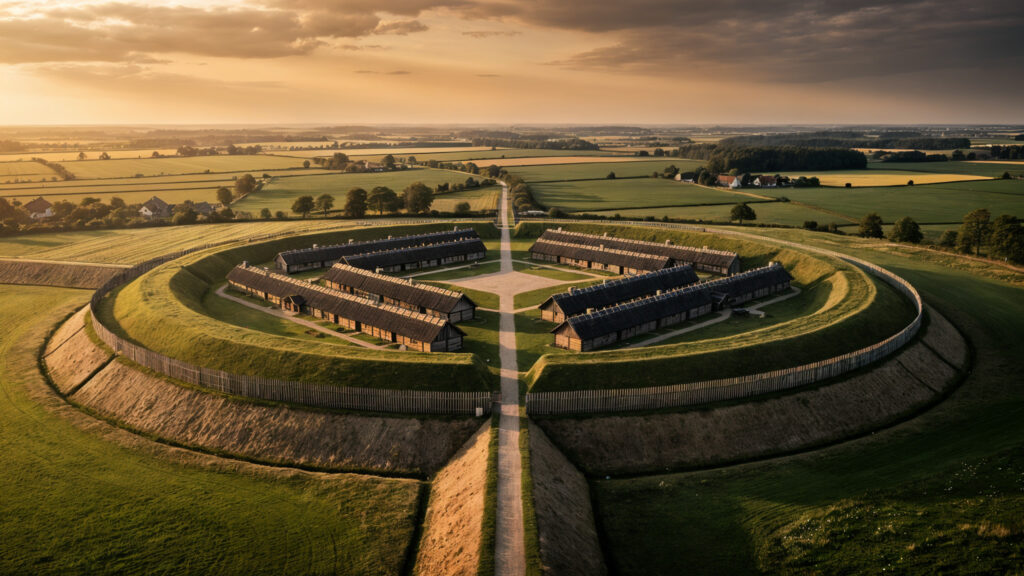
In 1936, a motorcycle club outside the Danish town of Slagelse stumbled onto something unexpected while building a practice track. Beneath the topsoil lay the remains of a massive circular fortress — perfectly geometric, precisely engineered, and roughly a thousand years old. This was Trelleborg, the first of Denmark’s Viking ring fortresses to be excavated, […]
30
Oct
Oct
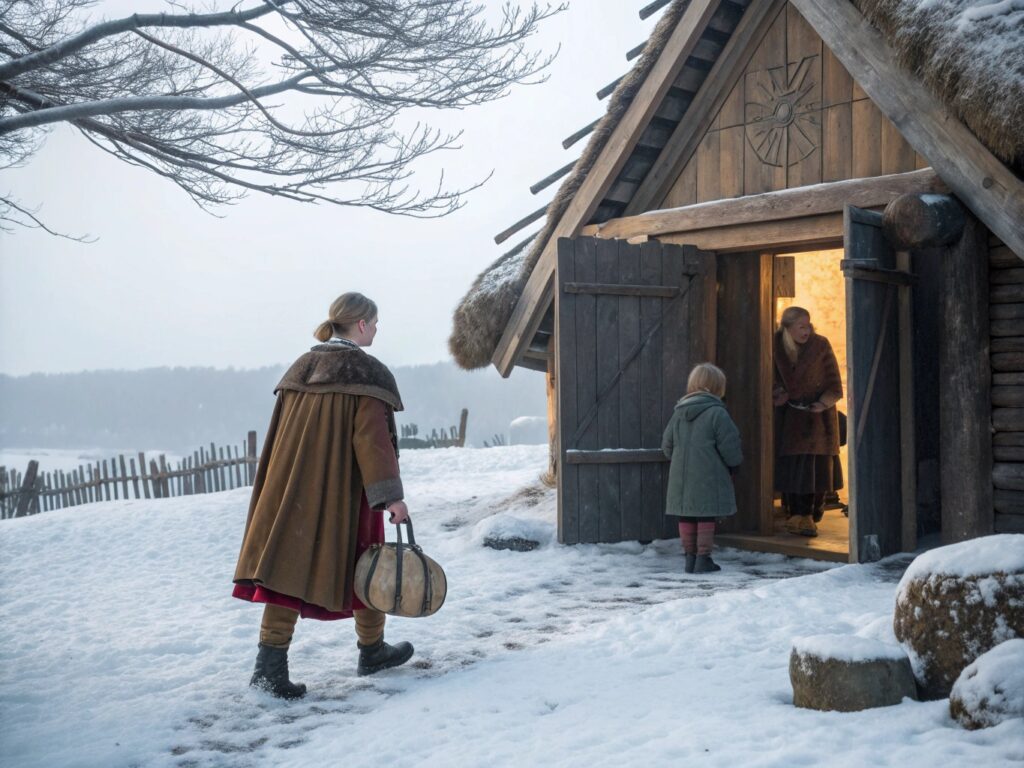
In the Viking Age, family was everything—but kinship extended far beyond the walls of the longhouse. One of the most fascinating practices in Norse culture was fosterage, the tradition of sending children to be raised by another household. At first glance, it may seem like a form of abandonment, but in truth, it was a […]
Blog, Daily Life in the Viking Age, Vikings
Brothers in Battle: Sibling Bonds and Rivalries in Viking Sagas
27
Oct
Oct
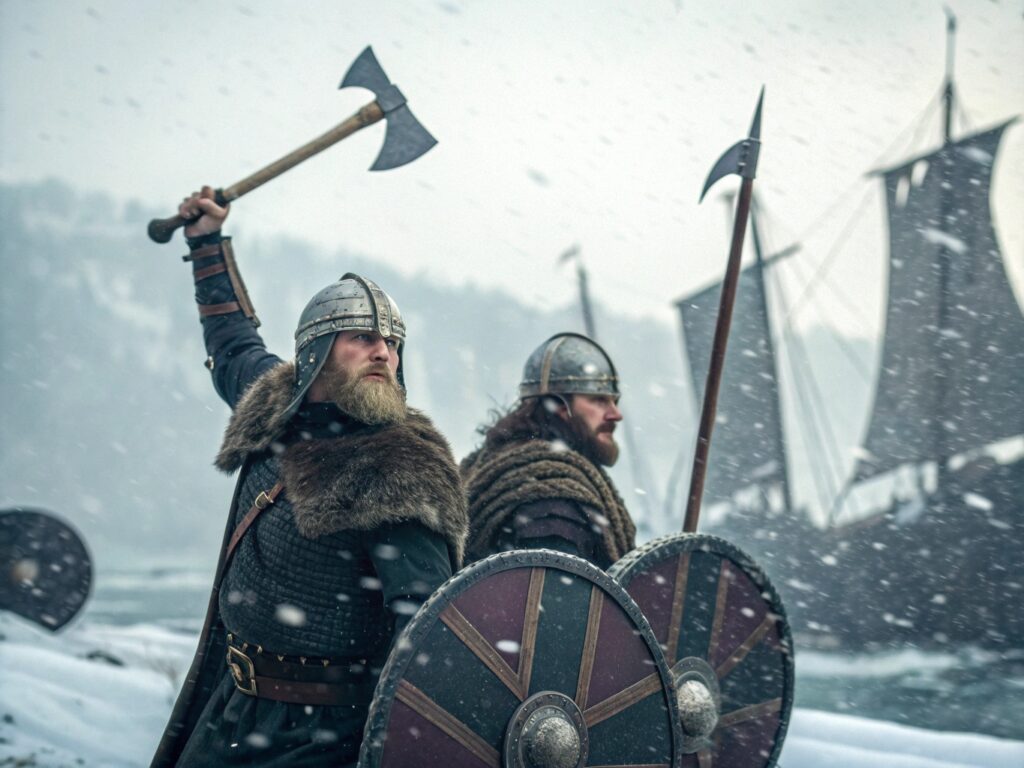
For the Vikings, kinship was destiny. A man’s honor, reputation, and survival were tied to his family, and among these ties, none carried greater weight than the bond between brothers. Whether standing side by side in combat or locked in deadly rivalry, Viking brothers shaped the stories of the Norse world. The sibling bonds in […]
Blog, Daily Life in the Viking Age, Vikings
Feuds and Family Honor: Why Blood Disputes Shaped Viking Justice
24
Oct
Oct
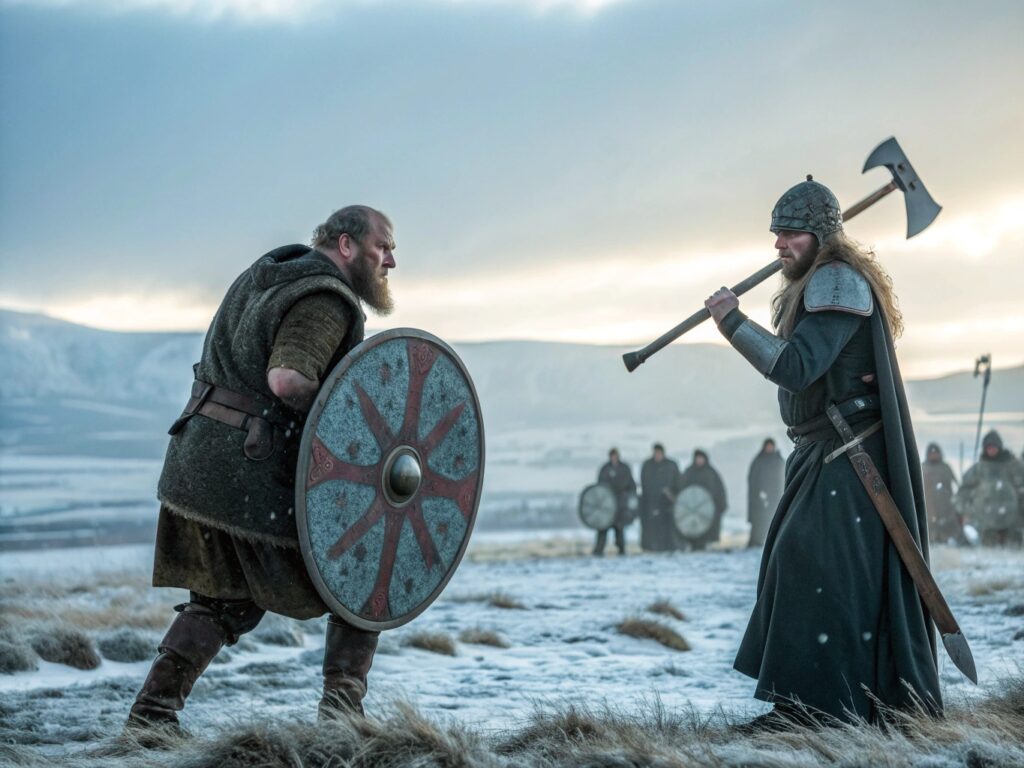
To the Vikings, law and order were not abstract institutions managed by kings or courts. They were rooted in family, kinship, and the unshakable principle of honor. When disputes arose, the Viking justice system relied on families to defend their rights and uphold their reputations. This often led to Viking blood feuds—long cycles of vengeance […]
Blog, Daily Life in the Viking Age, Vikings
Viking Mothers and Shieldmaidens: The Dual Role of Women in Family and Warfare
19
Oct
Oct
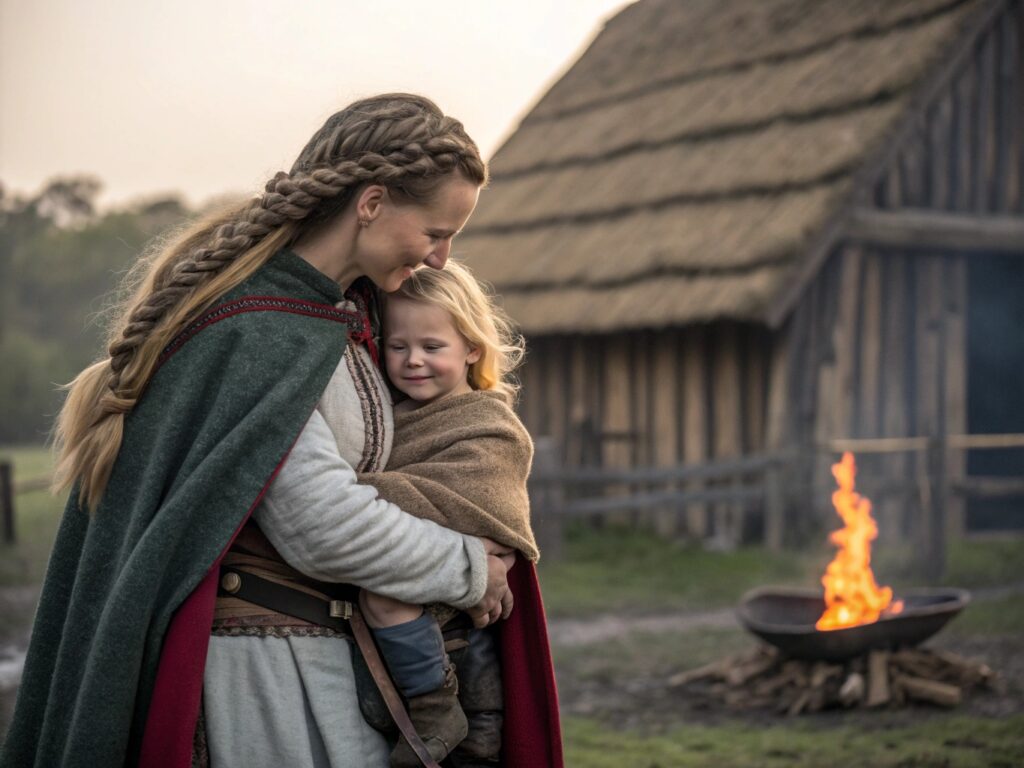
When most people imagine the Vikings, they picture fierce bearded warriors storming across the seas. Yet hidden behind these images lies another truth: women played equally vital roles in shaping Norse life. From nurturing households as Viking mothers to fighting alongside men as legendary Viking shieldmaidens, women carried a dual burden of responsibility and power. […]
Blog, Daily Life in the Viking Age, Viking Heritage, Vikings
What Did a Viking Bride Bring to Her Marriage? The Truth About Norse Dowries
13
Oct
Oct
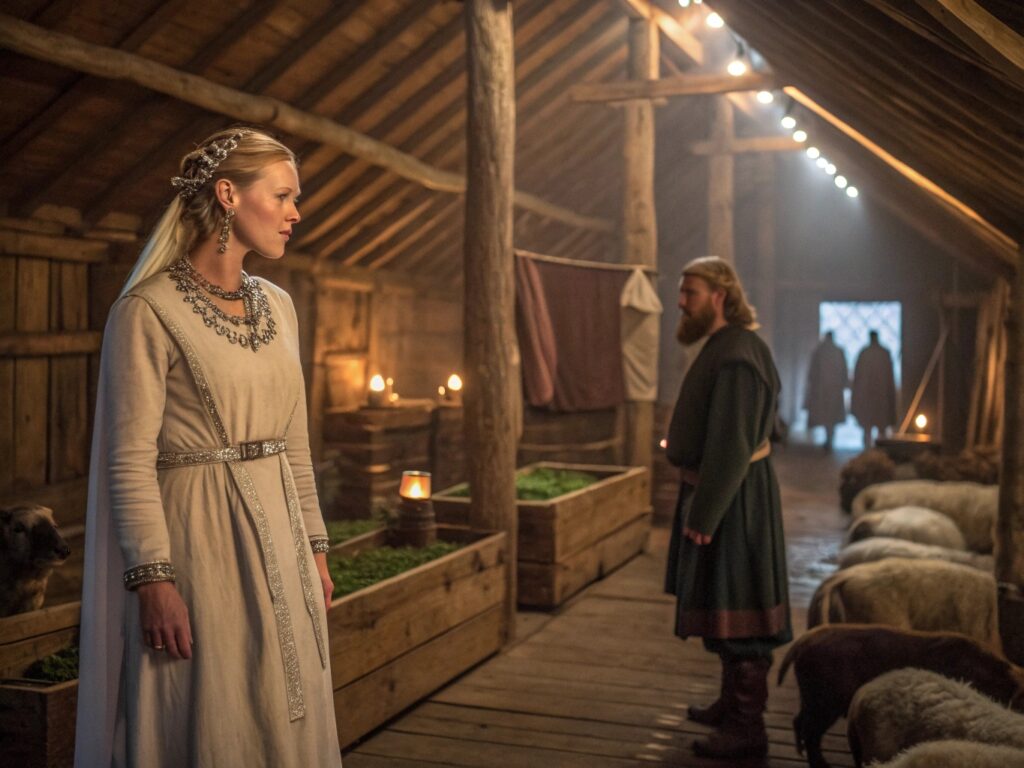
Marriage in the Viking Age was more than a union between two individuals—it was an alliance between families. Central to this arrangement was the Viking dowry, the wealth a bride brought with her into marriage. Far from being a simple gift, the dowry symbolized status, secured alliances, and offered women legal protection within a patriarchal […]
Blog, Viking Heritage, Vikings
Viking Childhood: How Norse Families Raised the Next Generation of Warriors and Weavers
09
Oct
Oct
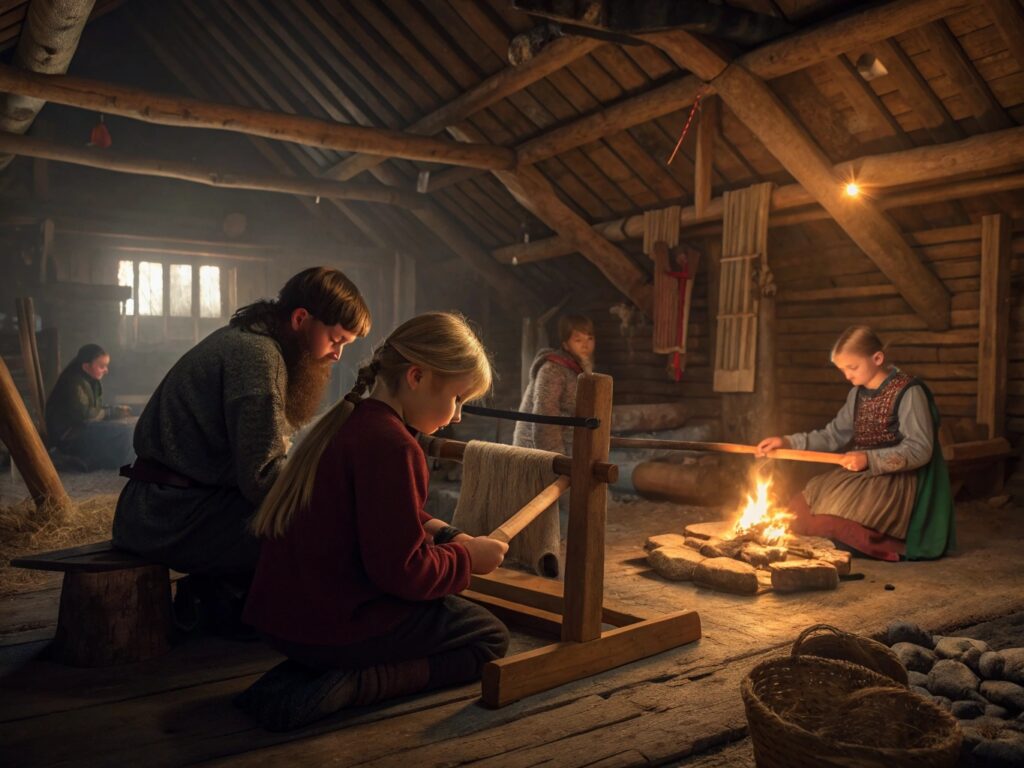
In the rugged landscapes of Scandinavia, where survival depended on courage, skill, and community, Viking childhood was anything but simple. Children were not sheltered from the hardships of life; instead, they were prepared from birth to contribute to their families and clans. From learning chores in the longhouse to absorbing the sagas of their ancestors, […]
05
Oct
Oct
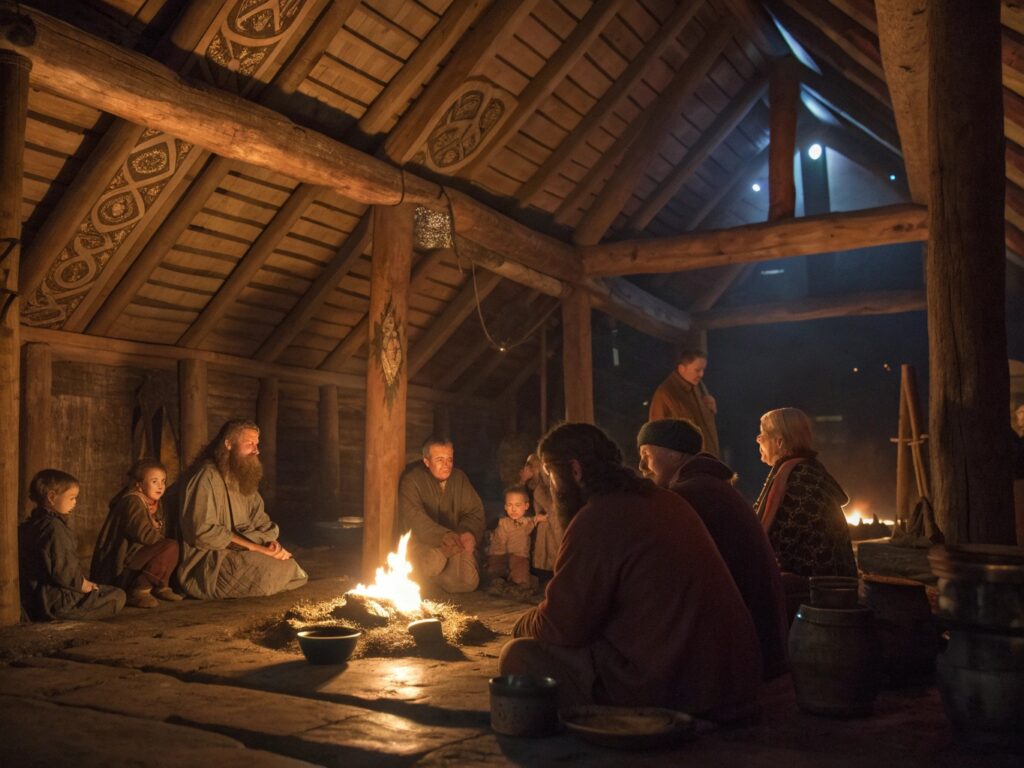
For the Vikings, survival depended on more than strength at sea or courage in battle—it was rooted in the kinship system that bound families together. Unlike modern society, where the individual often stands apart, Viking kinship determined identity, duty, and destiny. Every Viking belonged to a web of relationships that dictated loyalty, inheritance, and honor. […]
Blog, Norse Gods, Norse Mythology, Vikings
Njord, God of the Sea and Wealth: From Waves to Prosperity

30
Sep
Sep
A God of Waves and Fortune In the world of Norse mythology, power was not only measured in battles or thunder. It also lived in the sea, in trade routes, and in the prosperity that flowed from them. Among the Vanir gods, one deity embodied these forces more than any other: Njord, god of the […]