
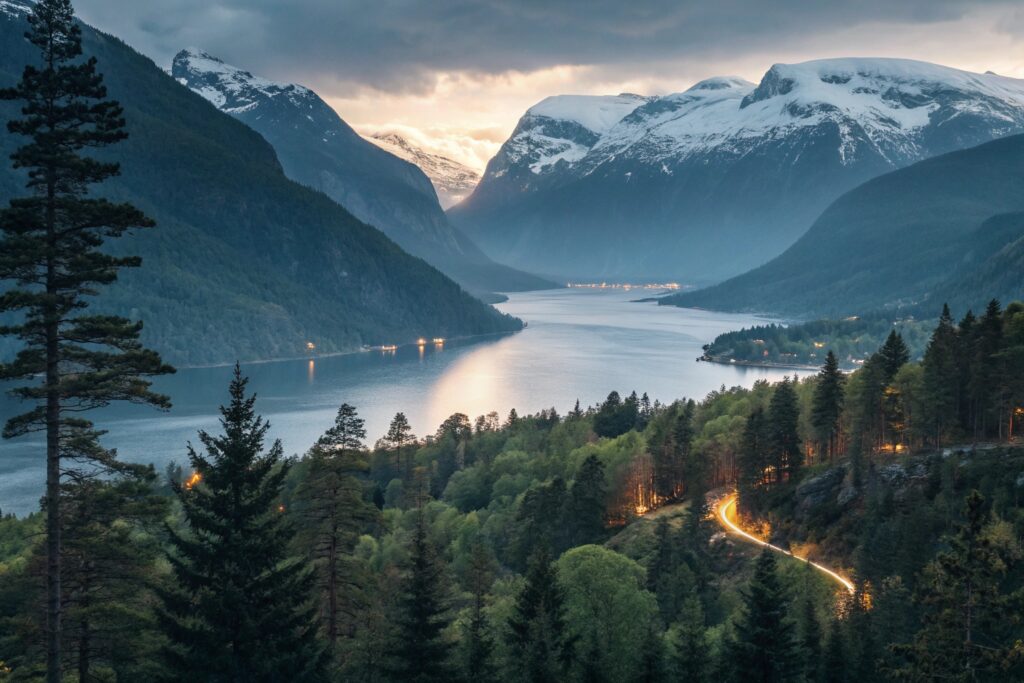
The Vikings are often remembered for their ships, raids, and legendary battles. Yet beneath the steel of their swords lay a worldview deeply connected to the natural world. For the Norse, the environment was not just a backdrop—it was sacred. Their forests, mountains, rivers, and fjords carried divine presence and mythic meaning. Understanding Norse spirituality in nature reveals that Viking culture was as much about reverence for the earth as it was about conquest.
The Viking Connection to Nature
Life in Scandinavia was inseparable from the environment. Harsh winters, towering fjords, dense forests, and vast seas shaped daily existence. The Viking connection to nature was both practical and spiritual:
-
Forests provided timber for homes, longships, and stave churches but were also places of mystery, inhabited by spirits and gods.
-
Fjords were lifelines for trade and travel yet seen as thresholds between the human world and the realm of divine beings.
-
Mountains and rivers were more than landscapes; they were living presences, often honored in rituals and legends.
For Vikings, every journey into the natural world was also a journey into the spiritual realm.
Norse Mythology and the Natural World
Central to understanding Norse mythology and the natural world is Yggdrasil, the great World Tree. This cosmic ash connected the nine realms of existence, symbolizing how all of nature was intertwined.
Other myths show how the gods themselves were bound to the environment:
-
Odin, the All-Father, sought wisdom by hanging upon a tree, reflecting the sacred role of forests in Norse religion.
-
Thor, god of thunder, embodied the raw power of storms and the protection of farmland.
-
Njord, god of the sea, represented the wealth of fjords and coastal life.
-
Freyja and Freyr, deities of fertility, were tied to the cycles of nature, harvests, and forests.
These stories show how Norse spirituality recognized natural forces as divine powers shaping both life and destiny.
Sacred Landscapes in Norse Religion
The Norse did not build massive stone temples like other ancient civilizations. Instead, they worshiped in natural spaces. Sacred landscapes in Norse religion included groves, lakes, waterfalls, and mountain peaks.
-
Sacred Groves: Rituals often took place in forest clearings, where offerings were made to gods and land spirits.
-
Waterfalls and Springs: Sources of fresh water symbolized life and purity; many rituals involved wells, reflecting the myth of Mimir’s Well of Wisdom.
-
Mountains: Peaks were associated with gods and giants, serving as natural altars for sacrifice.
-
Fjords: The dramatic meeting point of land and sea was both practical and mystical, connecting humans with divine realms.
By practicing their faith outdoors, Vikings reinforced the belief that the natural world itself was a temple.
Forests in Viking Beliefs
The deep woods of Scandinavia were mysterious and filled with symbolism. In Viking beliefs about forests and fjords, trees were seen as sacred beings. Oak and ash, in particular, had strong ties to gods and cosmic myths.
-
Trees as protectors: Some families kept sacred trees near their homes, believing they housed spirits.
-
Rituals in groves: Forest clearings were used for sacrifices, honoring both gods and land wights (spirits).
-
Symbolism of wood: Timber from forests carried spiritual significance, used in longships and hall construction to symbolize strength and connection to the divine.
Forests were not merely resources but living presences with which humans entered into reciprocal relationships.
The Sacred Fjords
If forests symbolized life and shelter, fjords embodied mystery and transformation. To the Norse, fjords were gateways between human society and divine forces.
-
Fjords as thresholds: Their deep waters connected the land to the sea, representing journeys between worlds.
-
Myths of sea deities: Gods like Njord and Aegir personified the fjords’ wealth and danger.
-
Sacrificial offerings: Archaeological finds suggest weapons and treasures were cast into fjord waters, likely as offerings to appease gods.
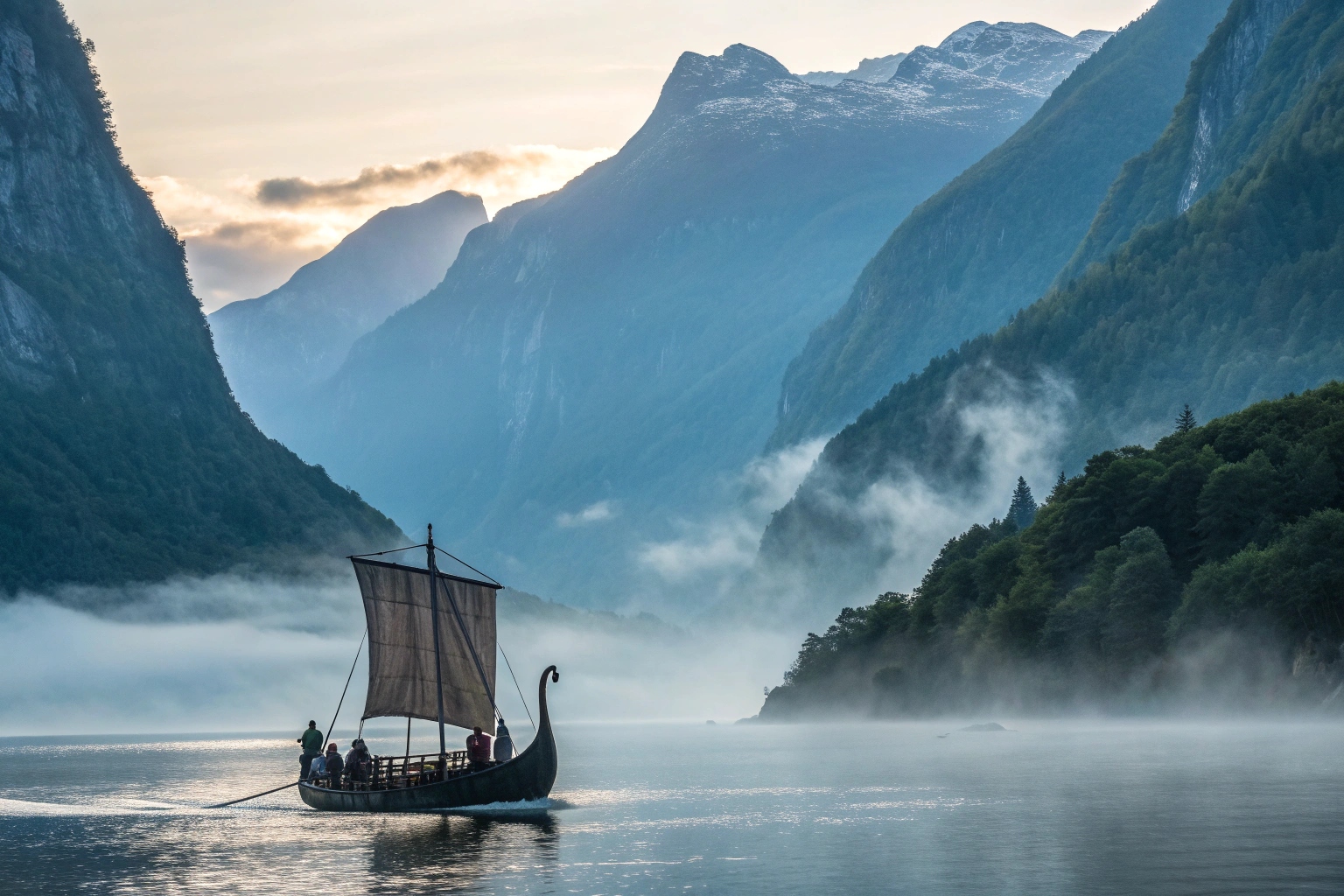
The Viking connection to nature was never more apparent than in their respect for fjords—lifelines of travel and trade that carried profound spiritual meaning.
Nature Spirits and Everyday Beliefs
Beyond the gods, the Norse recognized smaller spiritual beings tied to nature. Norse spirituality in nature included belief in:
-
Landvættir (land spirits): Guardians of fields, forests, and coasts. Farmers left offerings to them to ensure good harvests.
-
Huldras and forest beings: Mystical creatures believed to dwell in woodlands, blurring the line between human and supernatural.
-
Elves and dwarves: Associated with hills, rocks, and underground spaces, influencing myths about hidden powers of the earth.
This everyday spirituality made nature a constant presence in Viking life—not just as resource but as partner.
Rituals and Seasonal Cycles
The Norse marked their year with festivals tied to the land’s cycles. Sacred landscapes in Norse religion came alive in these rituals:
-
Yule (midwinter): Celebrations tied to the rebirth of the sun and fertility of the land.
-
Blóts (sacrificial feasts): Held in forests, fields, or near water, these honored gods for prosperity and harvest.
-
Harvest festivals: Thanking gods like Freyr for fertility and abundance.
These events highlight how Viking beliefs about forests and fjords were inseparable from survival and spirituality.
Norse Architecture Reflecting Nature
Even Viking buildings reflected their reverence for the natural world. Norse architecture and the natural world blended practicality with symbolism:
-
Longhouses resembled inverted ships, connecting life on land with seafaring identity.
-
Stave churches, built in Christian times, retained dragon motifs and wooden designs inspired by pagan traditions.
-
Carvings of animals and trees adorned beams and doorways, symbolizing divine protection.
Architecture became an extension of the Norse worldview—shelters that echoed the forests and seas around them.
The Viking Legacy in Nature-Based Spirituality
The Viking connection to nature did not disappear with the end of the Viking Age. Instead, elements survived in folklore, rural traditions, and even modern Scandinavian culture. Farmers continued leaving offerings to land spirits well into Christian times, and sacred groves remained places of reverence.
Today, modern practitioners of Ásatrú (a revival of Norse paganism) continue to honor sacred landscapes, forests, and fjords as living embodiments of the divine.
Conclusion
From towering trees to deep fjords, Norse culture saw the natural world as alive with gods, spirits, and meaning. Their myths, rituals, and architecture reflected a worldview where forests were sacred groves, fjords were thresholds to the divine, and every landscape carried spiritual power.
Exploring Norse mythology and the natural world shows us that the Vikings were not just warriors but poets, builders, and seekers whose lives were woven into the fabric of nature. By honoring sacred landscapes in Norse religion, they created a spiritual tradition that continues to inspire today.
Far from being barbarians, the Vikings remind us that spirituality can be found not only in temples but in forests, mountains, and fjords—where nature itself becomes the holiest of sanctuaries.
