
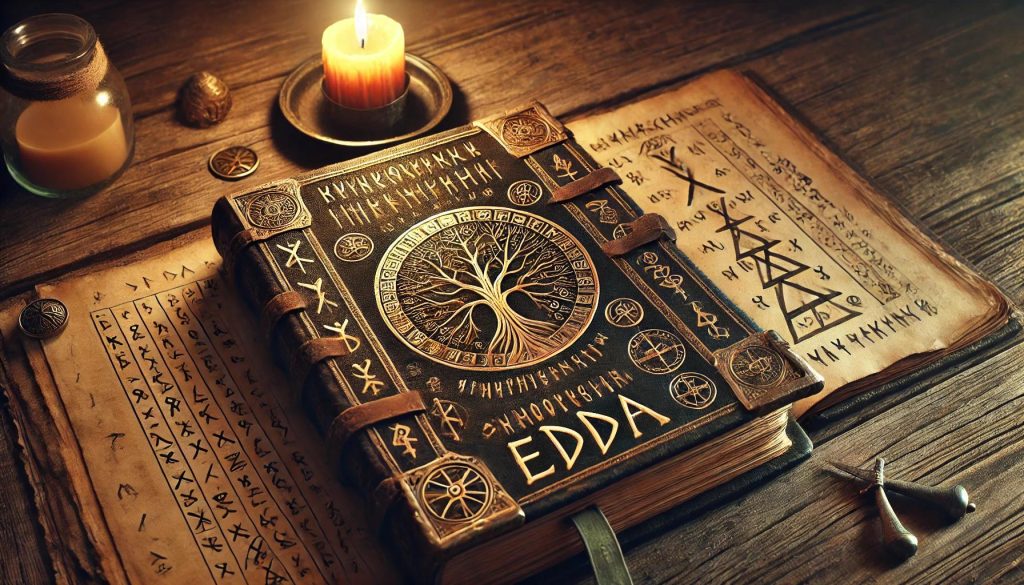
The Poetic Edda is a key part of Norse mythology. It shows the old stories and beliefs of Scandinavian people. These stories are found in the Codex Regius, a 13th-century manuscript.
These tales tell of gods like Odin and heroes like Sigurd. They also share the values of Viking-age society. The Poetic Edda still fascinates people today. It gives us a peek into the world of Scandinavian myths and their influence on us today.
So, when was the Poetic Edda written? And who wrote the Poetic Edda? Let`s find out in the article.
What is the Poetic Edda?
The Poetic Edda collection of ancient poems is key to understanding Norse mythology and literature. This Icelandic manuscript dates from the 10th to 12th centuries.
It includes mythological stories and heroic tales. Scholars call it the elder edda. This name shows its importance in Norse literature.
What is the Poetic Edda? It’s a crucial source of ancient Scandinavian myths. The poems are full of rich imagery and deep themes.
They show a world filled with gods, giants, and heroes. Each poem gives a peek into the beliefs of that time.
- The collection includes creation myths, which offer a glimpse into the world’s origins, much like the ancient runes tell their stories.
- Heroic sagas highlight the valor and fate of legendary figures, showcasing the importance of honor and bravery.
- Mythological themes explore the complexities of life, death, and destiny, resonating with ancient and modern audiences.
The Poetic Edda is a must-read for Norse mythology fans. Its poems entertain and offer a look into an ancient culture. It’s a vital part of Norse literature.
Here are several of the Poetic Edda lyrics:
1. Völuspá (The Prophecy of the Seeress)
“I remember the giants born of yore,
those who gave me bread in former days;
nine worlds I knew, the nine in the tree
with mighty roots beneath the mold.”
“There comes the dark dragon flying,
Nidhogg, flying over the plain,
on his wings bears corpses; now he will sink.”
2. Hávamál (The Sayings of the High One)
“A man’s friend should be his friend’s friend,
and repay gift with gift.
Men should meet in jest and laughter,
and deal with their foes with lies.”
“Cattle die, kinsmen die,
you yourself will also die;
but the fame of your deeds, a dead man’s glory,
will never die.”
3. Grímnismál (The Song of Grímnir)
“Yggdrasil, the ash tree, is the best of trees,
and Skidbladnir, of ships;
Odin is the best of the Æsir,
but Sleipnir of steeds.”
“Thund roars in the land of men,
and rain falls in the fields.
The powers of Asgard are shaken,
but fear not; they’ll fight on.”
Historical Context of the Poetic Edda
The Poetic Edda was written in the 13th century, a time of big changes in Scandinavia. People were moving from old Norse beliefs to Christianity, but the runes of their past still echo in today’s culture.
This change affected how stories were kept alive. Sagas mixed with new beliefs. Keeping these texts was key to keeping Norse identity alive.
During these times, people wanted to keep their old traditions alive. But they also had to adapt to new things. The Poetic Edda shows how old and new beliefs mixed.
- This historical context shows how Norse people kept their myths alive.
- The storytelling tradition was very important in Norse culture.
- Important themes in the Edda touch on the collective consciousness of a people in change.
Trying to keep these sagas alive shows their value to Scandinavia’s culture. The mix of faith, stories, and identity in the 13th century makes the Poetic Edda special. It reflects history and culture, particularly through the lens of old Norse poetry.
The Structure of the Poetic Edda: Eddic Poems Explained
The Poetic Edda is known for its detailed structure. It uses different poetic forms to tell stories of Norse mythology. The main part of this work is the eddic poems, written in alliterative verse.
This way of writing makes the poems come alive when spoken. It shows how stories were shared back then, much like the oral traditions found in old Norse poetry.
The poems have complex language that makes them short and powerful. Here are some important parts of their structure:
- Alliterative Meter: Each line has a special meter. It repeats sounds at the start, a key feature of eddic poems.
- Strophic Form: The poems follow a strophic structure. They have verses with two half-lines, making them easy to remember and perform.
- Thematic Organization: The Poetic Edda is split into myth and hero sections, vital for understanding the stories of the Norse gods. It guides readers through stories, from creation to tragic love.
This structure enriches the stories and keeps the culture alive, similar to how old Norse poetry has been preserved. The ancient words in the Poetic Edda still touch us today. They reveal deep themes from Norse lore.
Key Themes and Motifs in Norse Mythology
The Poetic Edda explores key themes in Norse mythology. It tells stories about fate, honor, and death and discusses battles between gods and heroes.
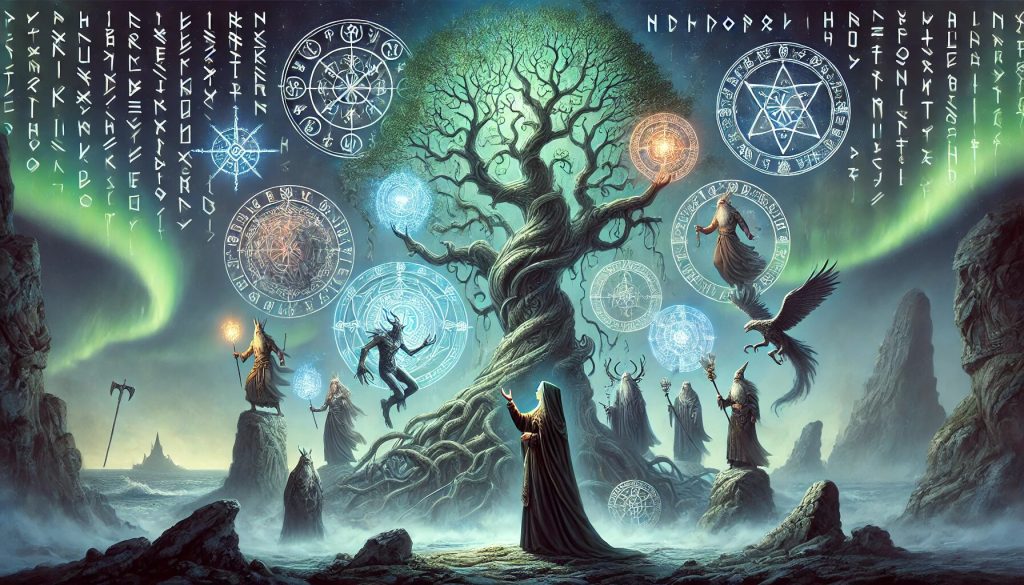
These stories show us life’s battles against fate, a common motif in the Eddas. They show us the fight against what seems destined.
These tales also contain symbols like swords, wolves, and ravens. These symbols show the connection between life and death and the importance of honor and bravery.
Gods like Odin seek wisdom and knowledge. They try to understand fate and their duties. They show us the importance of knowing our place in the world.
The stories of gods and heroes are complex. They show both triumph and tragedy. They show us that even the strongest have their limits.
The Influence of Snorri Sturluson
Snorri Sturluson was a key figure in old Norse literature. He helped us understand Norse mythology and its stories. As a historian and poet from the 13th century, his Prose Edda preserved myths from the Poetic Edda.
His writings gave us a deeper look into old Norse culture. Snorri explained the characters and stories of his time. He linked these tales to Iceland’s history and its people.
Snorri’s work did more than just document myths. He made them easy for his readers and us to understand today. His way of telling stories has inspired many in literature and media.
- Preserved ancient myths and legends
- Connected Norse mythology to Iceland’s history
- Inspired by later literary and cultural endeavors
Snorri’s work still impacts us today. It gives us a peek into Norse mythology and its lasting influence on our culture.
Translation Journey: Bridging Old Norse and Modern English
The Poetic Edda’s translation journey is long and important. It connects ancient Norse stories with today’s readers through a modern English translation that would resonate with them. Early translators faced big challenges. They tried to share the complex poetry and cultural details of Old Norse.
These early works were helpful but didn’t fully capture the original’s spirit.
Notable Translations and Their Impact
Recently, some translations have made the Poetic Edda easier to understand. These modern versions help people appreciate the ancient tales more. They use new insights and clear language, making it easier for today’s readers to enjoy the stories.
Jackson Crawford’s Translation and Modern Interpretations
Jackson Crawford is well-known for his readable translation of the Poetic Edda. He aims to keep the original’s poetic feel while making it relatable today. Crawford’s work makes Norse myths fun and educational for everyone, teaching Norse mythology in a modern English translation.
His translations show how ancient stories are still relevant today and help us understand the poetic edda’s lasting impact on our culture.
Notable Poems of the Poetic Edda
The Poetic Edda is filled with mythological poems. Two stand out: Hávamál and Völuspá. These poems share the heart of Norse beliefs and values. They give deep insights into the ancient world.
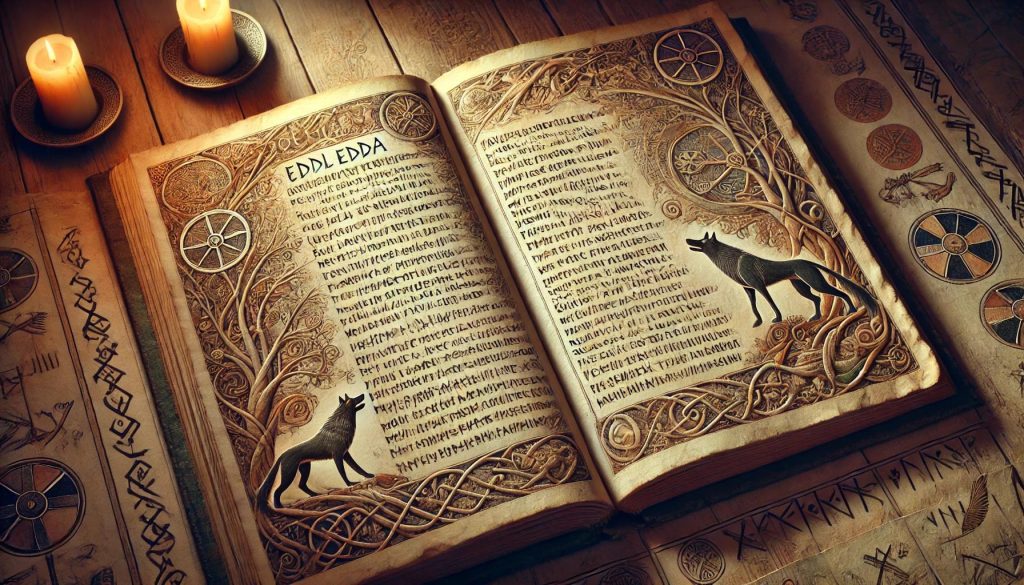
Hávamál: Wisdom from the Gods
Hávamál is a key poem in the Poetic Edda. It is a guide based on Odin’s wisdom, mixing poetry and philosophy to offer advice on living well.
It talks about:
- Honor and integrity
- Hospitality as a sacred duty
- The importance of wise counsel
These teachings were vital for keeping society in balance and for personal honor.
Völuspá: The Seeress’s Prophecy
Völuspá is a significant poem in the Poetic Edda. It tells the story of the world’s creation and end. A seeress narrates, exploring fate and rebirth.
- The cyclical nature of existence
- The destiny of gods and mortals
- Prophetic insights into the future
This poem shows how the Norse saw time and existence. It highlights the universe’s constant change and renewal.
Impact of the Poetic Edda on Contemporary Culture
The poetic edda’s impact is seen in many art forms. It shows how important Norse myths are today. This old collection of poems still guides writers, adding depth to stories.
Many films, TV shows, and games use these stories. They make the old tales new again, reaching today’s viewers. These stories are updated to fit today’s world and values.
Authors like J.R.R. Tolkien have been influenced by Crawford’s Poetic Edda, which brings ancient tales to modern audiences. This shows how old texts inspire new stories. They are more than just history; they spark creativity.
The poetic edda has made a lasting mark on today’s culture. It connects the past with the present, supplying today’s readers with timeless tales. Its stories still excite us, teaching us about Norse myths and adding to art.
Summary
The Poetic Edda is key to understanding Norse mythology. It shows us the deep stories that have shaped our culture and art for centuries. Its poems tell us about gods and heroes and share deep wisdom through the Poetic Edda quotes.
Looking at the Poetic Edda’s themes and characters, we see a bridge between past and present. Each new generation finds something special in these old tales. They connect our personal stories to the epic tales of Norse mythology.
Ultimately, the Poetic Edda’s lasting impact shows its importance in the collection of Old Norse literature. It’s not just a book but a window into our shared cultural past. Its influence on today’s stories, art, and culture means its magic will keep inspiring us for years, much like the ancient runes.
