
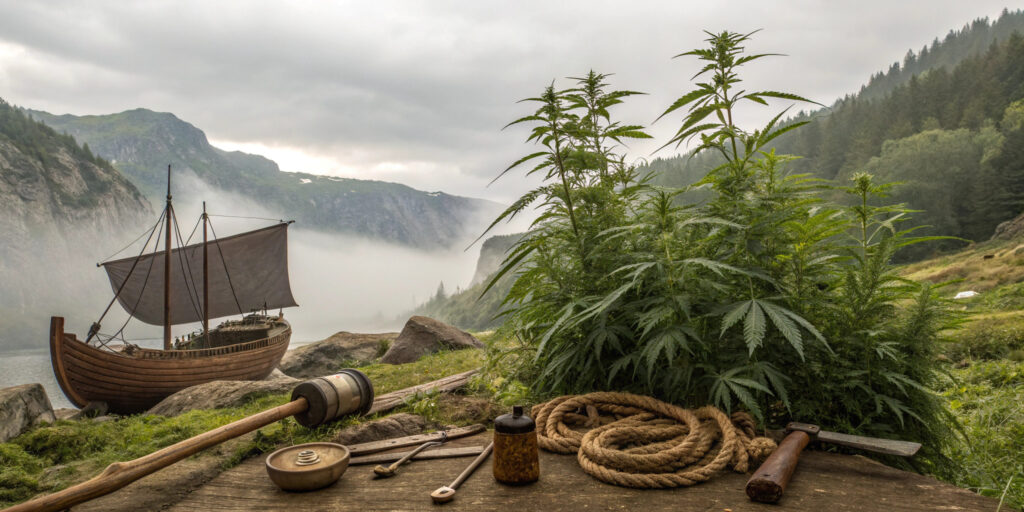
The ancient Vikings are often remembered for their fierce raids, intricate shipbuilding, and rich mythology. However, a lesser-known aspect of their culture is their extensive use of hemp, a versatile plant that played a pivotal role in their daily lives and left a lasting legacy that intertwines with modern cannabis culture. Exploring this fascinating connection reveals how the Vikings’ practical uses of hemp, primarily for ropes, sails, and textiles, eventually influenced broader cultural attitudes toward cannabis and its derivatives. For those interested in the roots of cannabis culture and its historical context, resources like Hub420 provide in-depth knowledge about the plant’s evolution from ancient utility to contemporary high hopes for medicinal and recreational benefits. This article delves into how the Vikings harnessed hemp’s power, the symbolism it carried, and how this ancient tradition feeds into today’s cannabis renaissance.
Hemp, a variety of the Cannabis sativa plant species, was a staple crop across many ancient civilizations, including the Vikings of Scandinavia. Known for its robust fibers, hemp was invaluable for crafting strong ropes essential for Viking longships an iconic symbol of their seafaring prowess. The durability and resistance of hemp ropes meant that Vikings could undertake extended voyages across treacherous waters, expanding their reach from the coasts of Norway and Sweden to far-flung territories like Iceland, Greenland, and even parts of North America. Without hemp, the efficiency and success of these explorations would have been severely hampered. Beyond ropes, Vikings also used hemp fibers to weave sails, clothing, and even fishing nets, embedding this plant into nearly every facet of their maritime and domestic life.
But hemp was not only a utilitarian resource; it also held cultural and possibly spiritual significance among the Vikings. While direct historical evidence of psychoactive cannabis use by Vikings is scarce, given the plant’s known psychoactive properties in certain strains, it is conceivable that it was utilized for ritualistic or medicinal purposes. The Norse sagas and archaeological finds suggest a culture deeply connected to nature’s gifts, including various herbs and plants for healing, intoxication, or spiritual insight. Thus, hemp and cannabis in Viking society likely occupied a dual role—both as an indispensable raw material and a source of mystery and potential altered states of consciousness.
The Vikings’ sophisticated hemp cultivation and utilization can be traced back through various archaeological findings. For instance, hemp fibers and remnants have been discovered in burial sites, indicating the material’s importance in everyday objects as well as in funerary customs. The presence of hemp in these contexts highlights its integral role in Viking life and death, symbolizing strength, resilience, and perhaps a connection between the physical and spiritual worlds. This historical connection is echoed today in the way hemp and cannabis are often associated with natural healing and holistic wellness.
Fast forward to the present, and the Viking legacy of hemp is experiencing a renaissance through the global cannabis movement. The resurgence of interest in cannabis for medicinal, industrial, and recreational purposes finds a curious yet profound historical anchor in these ancient seafaring warriors. Modern hemp cultivation, with its emphasis on sustainability and environmental benefits, mirrors the Vikings’ resourcefulness and respect for nature. The Viking story enriches the narrative of cannabis culture by rooting it in history, tradition, and the human drive to harness nature’s potential.
Moreover, the metaphorical transition from “hemp ropes to high hopes” captures the journey of cannabis from a practical commodity to a symbol of optimism for the future. This shift parallels societal changes in the perception of cannabis from a stigmatized plant to one embraced for its therapeutic properties and economic promise. It also reflects how the Viking spirit of exploration and innovation lives on in contemporary cannabis pioneers who are pushing boundaries in science, agriculture, and cultural acceptance.
In conclusion, the Viking legacy of cannabis culture is a powerful testament to the enduring bond between humans and the cannabis plant. From the ropes that secured their ships to the high hopes carried by today’s cannabis advocates, hemp has woven a thread through history that connects ancient traditions with modern innovations. For those curious about the deeper history and cultural significance of cannabis, Hub420 offers a gateway to understanding how ancient practices continue to inspire and shape the future of cannabis culture. Embracing this legacy allows us to appreciate the multifaceted nature of cannabis from its humble beginnings as a practical resource to its emerging role as a symbol of health, healing, and hope.
The Vikings’ mastery of hemp cultivation also had significant economic implications. Hemp was not just for domestic use; it became a valuable trade commodity that strengthened Viking economies. The quality of hemp fibers produced in Scandinavia was highly regarded, and these materials were exchanged across Europe and beyond. This trade helped spread hemp cultivation techniques and cannabis-related knowledge throughout different regions, indirectly influencing the broader European relationship with the plant. As trade routes expanded, so did cultural exchanges about hemp’s uses not only in textiles and ropes but eventually in food, medicine, and ritual contexts. This interconnectedness highlights how the Viking hemp legacy contributed to the widespread adoption and appreciation of cannabis in various societies, setting the stage for the complex cannabis cultures that would emerge centuries later.
In addition to economic and practical uses, hemp held symbolic meaning tied to the Vikings’ worldview. Norse mythology often emphasized the power of natural elements and plants, which were believed to possess inherent magic or spiritual energy. It’s plausible that hemp, as a robust and life-sustaining plant, was seen as a symbol of strength, endurance, and protection. Some scholars speculate that hemp might have been used in rituals to invoke these qualities or to facilitate altered states of consciousness for shamanic or religious purposes. This spiritual dimension of hemp use resonates with many indigenous and ancient cultures worldwide, where cannabis has long been revered as a sacred plant. Thus, the Viking connection to hemp is not merely functional but deeply intertwined with their spiritual identity, adding another layer to the plant’s historical significance.
Today, the influence of Viking hemp culture can be felt in the modern hemp and cannabis industries, which emphasize sustainability, resilience, and innovation qualities intrinsic to the Viking ethos. The environmental benefits of hemp, such as soil regeneration, low water requirements, and carbon sequestration, align with contemporary ecological values that many cannabis advocates promote. Additionally, the renewed interest in heritage strains of cannabis and hemp echoes the Viking respect for tradition and natural diversity. By recognizing and celebrating this legacy, the cannabis community honors the past while forging a sustainable path forward. The story from hemp ropes to high hopes thus serves not only as a historical reflection but as an inspiring blueprint for the future of cannabis culture worldwide.
